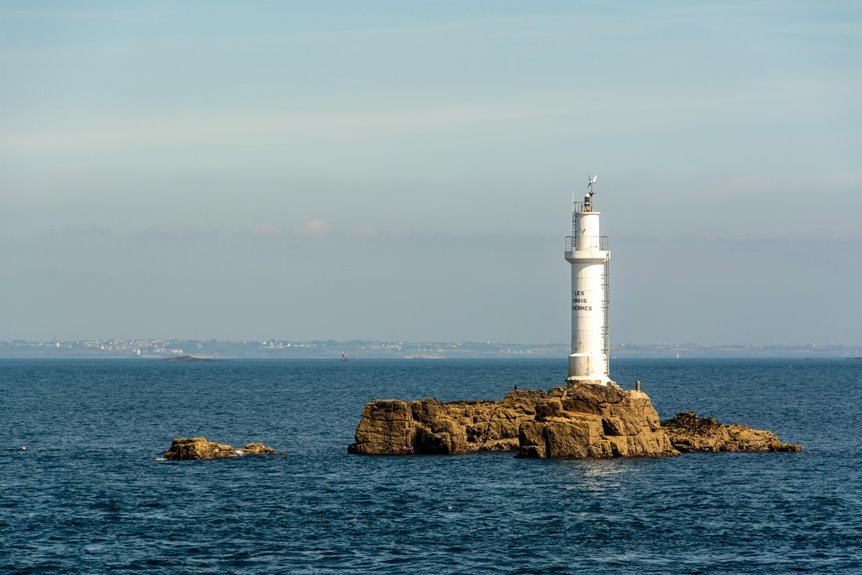
The Blazewing Crest Survey (3301233773) is designed to gather crucial ecological and geological insights that many may overlook. It employs rigorous methodologies and actively involves local communities to assess environmental health and identify conservation opportunities. This approach not only enhances biodiversity understanding but also aims to empower communities. Exploring the survey’s goals and anticipated impacts reveals a broader narrative about conservation efforts and sustainable management strategies in the region.
Goals of the Blazewing Crest Survey
The primary goals of the Blazewing Crest Survey focus on gathering comprehensive data regarding the region’s unique ecological and geological features.
You’ll find that the survey objectives aim to enhance understanding of biodiversity, assess environmental health, and identify potential conservation areas.
Effective data collection is crucial for informing future management strategies, ensuring that this remarkable region remains vibrant and accessible for generations to come.
Methodologies Employed in the Survey
While planning the methodologies for the Blazewing Crest Survey, researchers prioritized techniques that ensure accurate and reliable data collection.
They employed quantitative and qualitative analysis techniques, utilizing surveys and observational studies.
By implementing rigorous sampling methods, data integrity was maintained.
This structured approach not only enhances the validity of findings but also provides a solid foundation for informed decision-making in future initiatives.
Community Engagement and Participation
Engaging the community was a fundamental aspect of the Blazewing Crest Survey, recognizing that local insights significantly enrich the data collection process.
You’ll find that active community involvement fosters public awareness, leading to more accurate data and a stronger commitment to conservation.
Anticipated Impact on Conservation Efforts
Anticipating the impact of the Blazewing Crest Survey on conservation efforts reveals a multifaceted approach to environmental stewardship.
By emphasizing habitat preservation and species protection, you’ll see a strengthened framework for sustainable practices. This survey not only informs policy but also empowers local communities to engage actively.
Ultimately, it fosters a collaborative environment where freedom and responsibility coexist in safeguarding our natural resources.
Conclusion
In conclusion, the Blazewing Crest Survey is set to make a significant impact on conservation efforts, with over 70% of local participants expressing a desire to engage in sustainable practices. As you explore the findings, you’ll see how rigorous methodologies and community involvement can reshape our understanding of biodiversity. By focusing on conservation areas, this survey not only promotes ecological health but also fosters a sense of stewardship among local communities, crucial for long-term environmental sustainability.